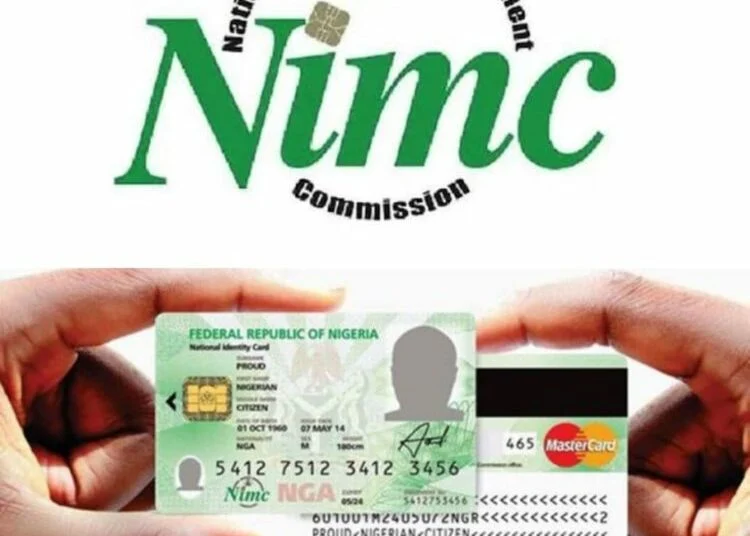
The Federal Government has integrated the National Identification Numbers of 15.65 million Nigerians into the National Social Register, as it intensifies efforts to improve beneficiary identification and strengthen the delivery of social protection programmes.
The National Social Safety-Nets Coordinating Office disclosed this in a statement published on its official X account, noting that more than 13.3 million unique households had been updated across 771 local government areas in 37 states as of October 2026.
The exercise comes as the government reports paying ₦658.9bn in direct cash transfers to 10.46 million poor and vulnerable households as of September 2026, according to the World Bank’s latest Nigeria Development Update.
The World Bank has called for an expansion of the programme, more adequate payments and improved consistency in delivering assistance to beneficiaries.
NASSCO said the latest figures reflected ongoing efforts to improve the quality of household data, strengthen verification and promote transparency in social protection initiatives.
“As of October 2026, we have successfully integrated the National Identification Number of over 15.6 million individuals into the National Social Register, with more than 13.3 million unique households updated across 771 Local Government Areas in 37 states,” the office stated.
It added that the milestones were part of efforts by the agency and its state-level partners to build a more inclusive and responsive system for identifying and supporting vulnerable Nigerians.
Data released by the office showed that the National Social Register contained 21,114,531 households and 83,162,654 individuals as of October.
Of the registered households, 13,330,387 had been updated, representing 63.13 per cent of the total. This leaves approximately 7.78 million households, or 36.87 per cent, yet to be covered by the reported update.
The figures further indicated that 11,347,989 households had at least one member whose NIN was integrated into the register. That represents about 53.74 per cent of all registered households.
The 15,653,374 individuals whose NINs had been integrated account for approximately 18.82 per cent of the 83.16 million people listed in the register.
The distinction between household updates and NIN integration is important, as updating a household’s record does not necessarily mean every member has a verified identification number. Broader integration could help improve beneficiary verification and limit duplicate or inaccurate records.
However, the figures reveal substantial differences in the pace of household updates across states.
Ebonyi recorded the highest coverage at 88.08 per cent, followed by Enugu with 86.62 per cent and Kano with 86.18 per cent.
Other states with relatively high coverage included Kogi at 80.61 per cent, Ekiti at 80.25 per cent, Zamfara at 78.74 per cent and Bauchi at 78.16 per cent.
At the lower end of the ranking, Delta recorded 25.31 per cent coverage, followed by Lagos at 35.36 per cent and Borno at 38.18 per cent. Sokoto recorded 41.61 per cent, while Oyo posted 41.28 per cent.
The 62.77-percentage-point gap between Ebonyi and Delta underscores the uneven progress of the exercise nationwide.
While Ebonyi had updated records for more than 88 per cent of households covered by the exercise, Delta’s reported coverage stood at roughly one-quarter.