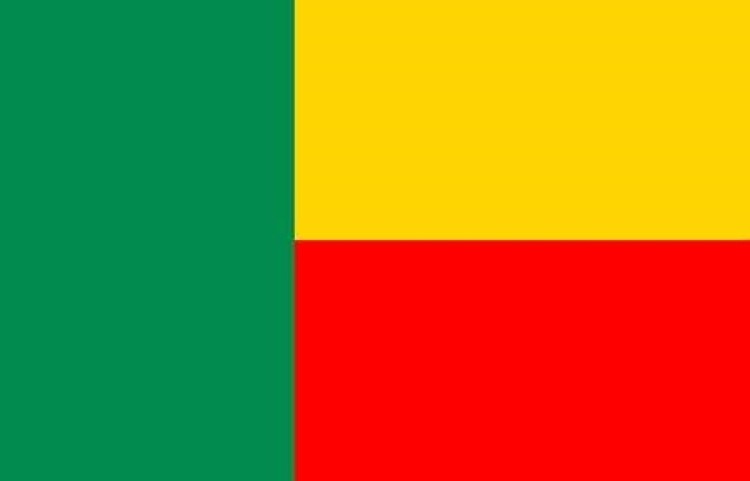
Benin, located in West Africa along the Gulf of Guinea, is a small but historically significant country known for its political stability, rich cultural traditions, and role in the historical Kingdom of Dahomey. In recent decades, it has also become one of the more consistent democratic systems in the region.
Country Profile
Official Name: Republic of Benin
Capital: Porto-Novo (official), Cotonou (economic hub)
Independence: August 1, 1960
Former Colonial Power: France
Population: Approximately 14–15 million
Official Language: French
Other Languages: Fon, Yoruba, Bariba, Dendi, and several local languages
Currency: West African CFA franc (XOF)
Government: Presidential Republic
Region: West Africa
Independence and Historical Background
Benin gained independence from France on August 1, 1960, initially known as Dahomey before adopting its current name in 1975.
The country was historically part of the powerful Kingdom of Dahomey, which played a significant role in regional politics and trade prior to colonial rule.
Post-independence, Benin experienced periods of political instability before transitioning to a stable democratic system in the early 1990s, which remains in place today.
Geography and Environment
Benin is a narrow country stretching from the Atlantic coast in the south to the Niger River in the north.
Key geographical features include:
- Coastal plains and lagoons in the south
- Savannah regions in the central areas
- Semi-arid zones in the north
- Border connections with Nigeria, Togo, Burkina Faso, and Niger
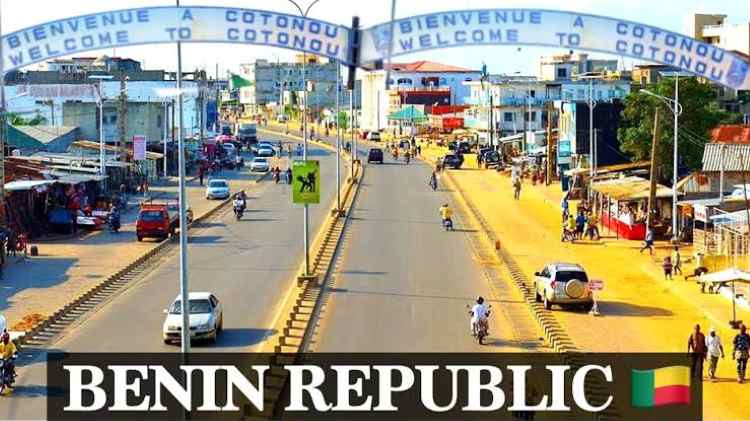
Cotonou serves as the country’s largest city and main economic center.
Population and Society
Benin has a young and rapidly growing population with strong ethnic diversity.
Major ethnic groups include:
- Fon (largest group)
- Yoruba
- Bariba
- Dendi
Family structures are central to social organisation, and community life remains important across both urban and rural areas.
Religion
Benin is religiously diverse:
- Christianity (Roman Catholicism and Protestantism)
- Islam (primarily in the north)
- Vodun (Voodoo), officially recognised and widely practiced
Benin is internationally known as one of the spiritual centres of Vodun, which is also celebrated annually through national festivals.
Economy
Benin’s economy is primarily based on trade, agriculture, and services.
Key sectors include:
- Agriculture (cotton is the main export crop)
- Port services (Cotonou port is a major regional trade hub)
- Informal cross-border trade, especially with Nigeria
- Telecommunications and services
The economy is closely linked to regional trade dynamics, particularly with Nigeria.
Cost of Living
Benin has a relatively moderate cost of living compared to many West African countries.
- Food and local transport are affordable
- Imported goods can be expensive
- Housing costs vary significantly between Cotonou and smaller towns
- Informal markets play a major role in daily commerce
Telecommunications and Internet
Main telecom operators include:
- MTN Benin
- Moov Africa Benin
Mobile phone usage is widespread, and mobile money services are increasingly important in daily transactions.
Internet access is improving, especially in urban areas, with strong reliance on mobile data.
Education
Education in Benin follows the French-based system.
Characteristics include:
- Free primary education in public schools
- Increasing school enrollment rates
- Challenges in rural infrastructure and resources
- French as the main language of instruction
Higher education institutions are mainly located in Cotonou and Porto-Novo.
Transportation
Transport infrastructure is developing steadily and includes:
- Road networks connecting major cities and neighbouring countries
- Cross-border trade routes, especially with Nigeria
- Limited rail infrastructure under development
- Cotonou International Airport serving regional flights
Culture
Beninese culture is strongly influenced by tradition, religion, and regional diversity.
Key cultural elements include:
- Rich traditional music and dance
- Strong heritage of the Kingdom of Dahomey
- Voodoo festivals and spiritual ceremonies
- Cuisine based on maize, yams, cassava, fish, and palm oil
Benin is widely regarded as one of the most culturally preserved societies in West Africa.
Sports
Football is the most popular sport in Benin.
The national team, known as the Cheetahs, has participated in the Africa Cup of Nations and continues to develop its international presence.
Interesting Facts
- Benin is the birthplace of modern Vodun spirituality
- The country was formerly called Dahomey until 1975
- It is considered one of West Africa’s more politically stable democracies
- The Port of Cotonou is one of the busiest trade hubs in the region
- Benin plays a key role in informal trade between West Africa and Nigeria
What to Know About Benin
Benin is a country defined by cultural depth, historical significance, and economic resilience through trade. While it may not be among Africa’s largest economies, it remains strategically important in West Africa due to its location, stability, and role in regional commerce.
It represents a blend of tradition and modern governance, where cultural heritage and contemporary development exist side by side.