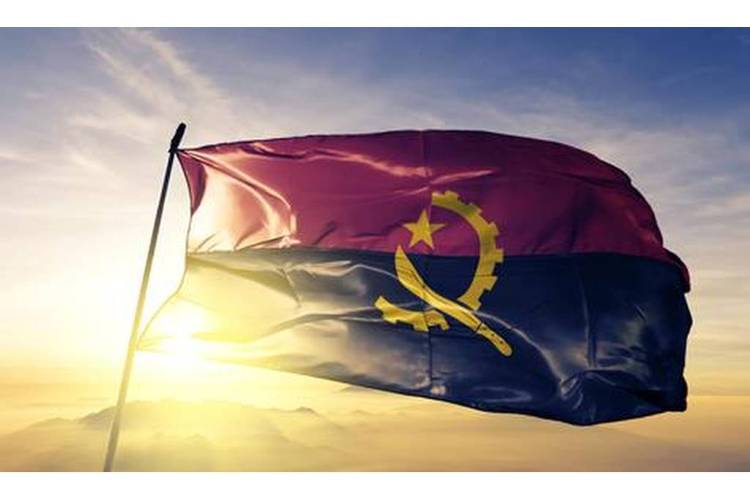
Angola is one of Africa’s most resource-endowed countries, located on the southwestern coast of the continent. It has experienced a complex modern history shaped by colonial rule, a prolonged civil war, and a post-war reconstruction era driven largely by oil wealth.
Today, Angola is a key player in Southern Africa’s energy and mining sectors and is gradually diversifying its economy.
Country Profile
Official Name: Republic of Angola
Capital: Luanda
Independence: November 11, 1975
Former Colonial Power: Portugal
Population: Approximately 36 million
Official Language: Portuguese
Other Languages: Umbundu, Kimbundu, Kikongo, and other indigenous languages
Currency: Angolan Kwanza (AOA)
Government: Presidential Republic
Region: Southern Africa (West-Central Atlantic coastline)
Independence and Historical Background
Angola gained independence from Portugal on November 11, 1975, after more than four centuries of colonial rule.
However, independence was immediately followed by a devastating civil war that lasted from 1975 to 2002. The conflict involved major political and armed factions competing for control of the state and was heavily influenced by Cold War geopolitics.
The war ended in 2002, marking the beginning of a reconstruction period that continues to shape Angola’s political stability, infrastructure development, and economic reforms.
Geography and Environment
Angola is one of the largest countries in Africa, with a diverse geography that includes:
- Atlantic coastline stretching over 1,600 kilometres
- Tropical forests in the north
- Savanna regions in the central areas
- Semi-arid zones in the south
- Rich mineral and oil-bearing offshore basins
The country also shares borders with Namibia, Zambia, the Democratic Republic of the Congo, and the Republic of the Congo.
Population and Society
Angola’s population is young, with a significant proportion under the age of 25.
The society is ethnically diverse, with groups such as Ovimbundu, Mbundu, and Bakongo forming major communities. Urbanisation is increasing rapidly, especially in the capital, Luanda.
Family structures remain strong, and extended family systems play an important role in social organisation.
Religion
Angola is predominantly Christian, with the majority identifying as Roman Catholic, followed by various Protestant denominations.
Traditional African beliefs are also present and often exist alongside Christian practices in rural communities.
Religion plays an important role in cultural identity, social life, and community organisation.
Economy
Angola’s economy is heavily dependent on natural resources, particularly oil.
Key sectors include:
- Oil and gas (dominant export sector)
- Diamonds and mining
- Agriculture (growing but underdeveloped)
- Fisheries
- Construction and infrastructure
Oil exports account for a significant share of government revenue, making Angola vulnerable to global oil price fluctuations. In recent years, the government has pursued diversification strategies.
Cost of Living
Angola has one of the highest costs of living in Africa, particularly in Luanda.
- Imported goods are expensive
- Housing costs in urban centres are high
- Local markets offer more affordable alternatives
- Income inequality remains significant
Despite resource wealth, wealth distribution remains uneven across the population.
Telecommunications and Internet
Main telecom operators include:
- Unitel
- Movicel
Mobile phone usage is widespread, particularly in urban areas. Internet access is improving but remains relatively costly compared to income levels.
Social media platforms such as WhatsApp, Facebook, and Instagram are widely used, especially among young people.
Education
Education in Angola is structured under a national system that has expanded significantly since the end of the civil war.
Key characteristics include:
- Increased school enrolment after 2002
- Ongoing infrastructure development
- Limited resources in rural areas
- Portuguese as the primary language of instruction
Higher education institutions are concentrated in major cities such as Luanda.
Transportation
Angola’s transport infrastructure is still developing but improving steadily.
Key features include:
- Reconstructed road networks after the civil war
- Railway systems connecting major regions
- International airports, including Luanda’s Quatro de Fevereiro Airport
- Expanding port infrastructure supporting oil exports
Culture
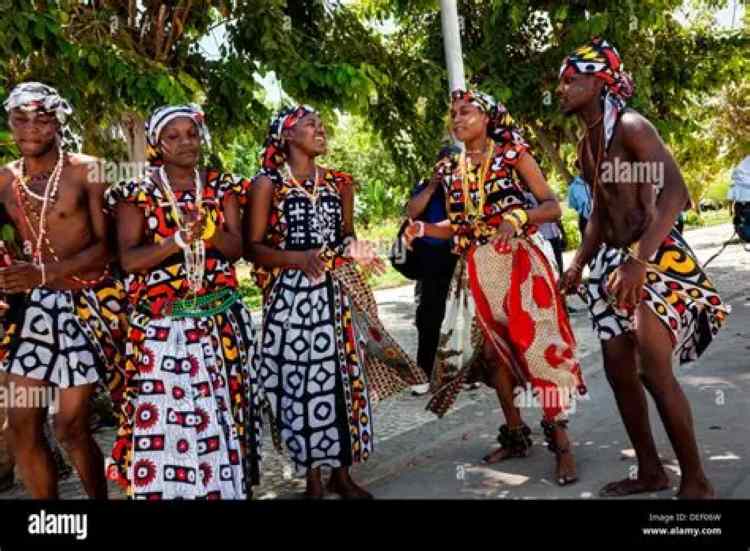
Angolan culture reflects a blend of Portuguese colonial influence and indigenous African traditions.
Key cultural elements include:
- Music genres such as Kuduro, Semba, and Kizomba
- Strong dance culture that has gained international recognition
- Cuisine featuring cassava, beans, fish, and palm oil-based dishes
Angola’s cultural exports, particularly music and dance, have gained global popularity in recent years.
Sports
Football is the most popular sport in Angola.
The national team has participated in international competitions, including the FIFA World Cup. Basketball is also highly popular, with Angola historically being one of Africa’s strongest teams in the sport.
Interesting Facts
- Angola is one of Africa’s largest oil producers
- The country has vast diamond reserves
- Portuguese is the only official language in Africa outside Europe where it is the primary national language
- The civil war ended in 2002 after 27 years of conflict
- Luanda has often been ranked among the most expensive cities in the world for expatriates
What to Know About Angola
Angola is a country defined by contrast: significant natural wealth alongside ongoing development challenges. It is a nation rebuilding from decades of conflict, with a young population, growing infrastructure, and strong potential for long-term economic expansion.
For observers of Africa’s evolving economic landscape, Angola represents both the challenges of post-conflict reconstruction and the opportunities of resource-driven growth.