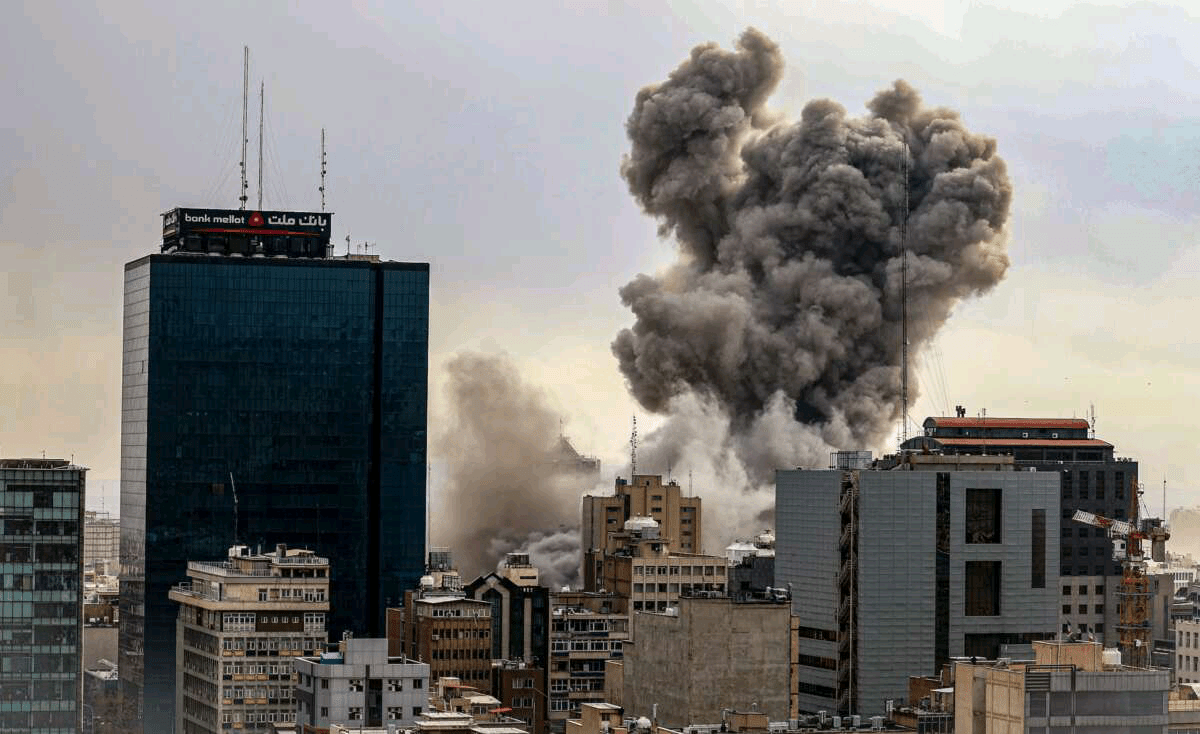
At least 555 people have been killed following a series of coordinated military strikes by the United States and Israel across Iran, according to the Iranian Red Crescent Society.
The humanitarian body said the attacks affected no fewer than 131 cities nationwide, with emergency response teams deployed across multiple provinces to provide rescue, medical and relief services.
It added that more than 100,000 rescue and relief workers have been placed on full alert as operations continue around the clock.
The latest casualty figures come amid a dramatic escalation in hostilities between Tehran and the U.S.–Israel alliance.
Reports indicate that Iran’s Supreme Leader, Ayatollah Ali Khamenei, was killed in one of the early strikes, a development that has significantly intensified the crisis.
In response, Iran’s interim leadership council convened its second meeting on Sunday, March 1, 2026, to coordinate national strategy.
President Masoud Pezeshkian, in a recorded address, vowed that the country would remain steadfast despite the loss of its top leader.
He warned Washington and Tel Aviv that the killing of Iran’s supreme leader would not weaken the Islamic Republic, insisting that the nation’s armed forces remain fully prepared for further confrontation.
Pezeshkian also urged citizens to demonstrate unity and resilience during what he described as a period of mourning and resistance.
The conflict, which formally entered its fifth day on March 3, 2026, follows years of strained relations rooted in disputes over Iran’s nuclear programme and regional influence.
Joint U.S.–Israeli operations reportedly targeted nuclear facilities, missile installations and military bases, prompting retaliatory missile and drone strikes from Iran against Israeli territory and U.S. interests in the Gulf.