An exiled opposition leader from the Republic of Benin has appealed to President Bola Tinubu for urgent intervention, warning that the West African country risks sliding into civil war unless an inclusive political dialogue is convened.
In a letter dated January 26, 2026, obtained by our correspondent, Romaric Boco, Special Envoy of Les Démocrates for International Mobilization and Regional Dialogue, alleged that opposition leaders in Benin are facing persecution. Les Démocrates is an opposition party led by former President Boni Yayi.
Boco, a former member of the Political Bureau of the Bloc Républicain, said some opposition figures remain imprisoned following a failed coup on December 7, 2025. He added that his wife was arrested when authorities could not locate him at his residence, forcing him to take refuge in Europe.
“Writing from exile, I appeal to you on behalf of Benin’s democratic resistance. Persecution targets opposition leaders: some remain imprisoned since the failed coup, others have been assassinated, and my own wife was detained when authorities could not find me at home,” he said.
The envoy highlighted that the legislative elections on January 11, 2026, produced a National Assembly composed entirely of pro-government deputies. He warned that the opposition has been excluded from participating in the upcoming April 2026 presidential election, raising concerns about the legitimacy of the vote.
“Benin faces its darkest hour. Without swift intervention, further unrest or civil conflict is imminent,” Boco said.
The letter also requested President Tinubu’s assistance in facilitating an inclusive national dialogue ahead of the elections and in arranging meetings with key Nigerian governors to support mediation efforts.
“Your Excellency, I humbly request a personal audience at your earliest convenience. Your support will be remembered when constitutional order is restored. Nigerian solidarity can prevent chaos and preserve West African stability,” he added.
On December 7, 2025, a group of soldiers in Benin, calling themselves the Military Committee for Refoundation, briefly seized key locations in Cotonou, including the state television station. They announced the removal of President Patrice Talon, the dissolution of government institutions, and the suspension of the constitution.
Loyal forces quickly regained control, and Nigeria intervened at Benin’s request, deploying fighter jets and ground troops to quell the coup attempt. The letter underscores Nigeria’s critical role in regional security, particularly its army’s involvement in stabilizing Benin during the December 2025 crisis.
Analysts say the envoy’s appeal highlights the importance of Nigerian mediation in preventing political unrest in West Africa. A proactive approach, they argue, could avert escalation into a full-blown civil conflict and ensure the inclusivity of upcoming elections.
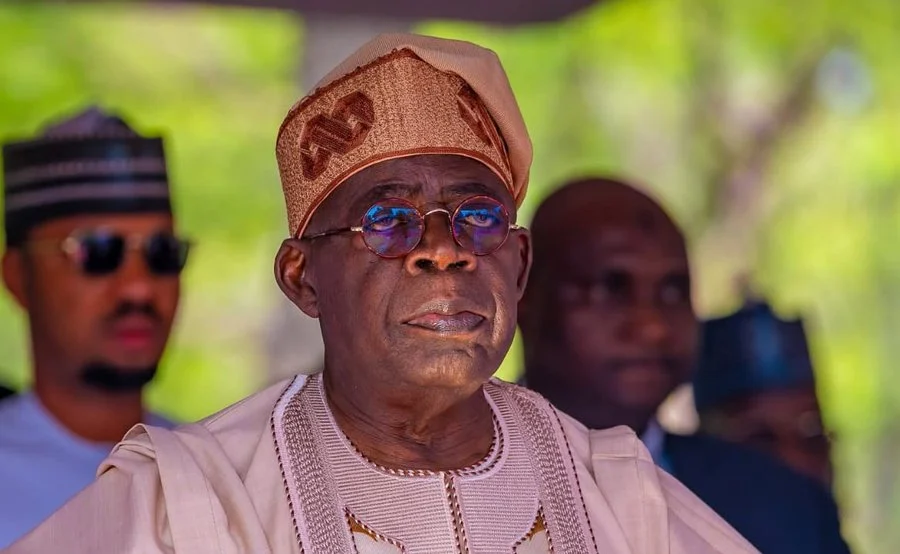
President Tinubu has previously demonstrated Nigeria’s capacity to engage in regional conflict resolution, and this appeal positions him as a potential key mediator in Benin’s political crisis.
As Benin approaches its presidential elections in April 2026, observers stress the need for swift diplomatic action to protect democratic processes and human rights. Failure to address opposition exclusion could exacerbate tensions, destabilize the region, and undermine the credibility of the electoral process.
Romaric Boco’s letter is a direct plea to Nigeria to uphold West African stability and prevent violence by facilitating dialogue between the government and opposition in Benin. The appeal also signals the growing importance of regional collaboration in addressing political crises and safeguarding democratic governance