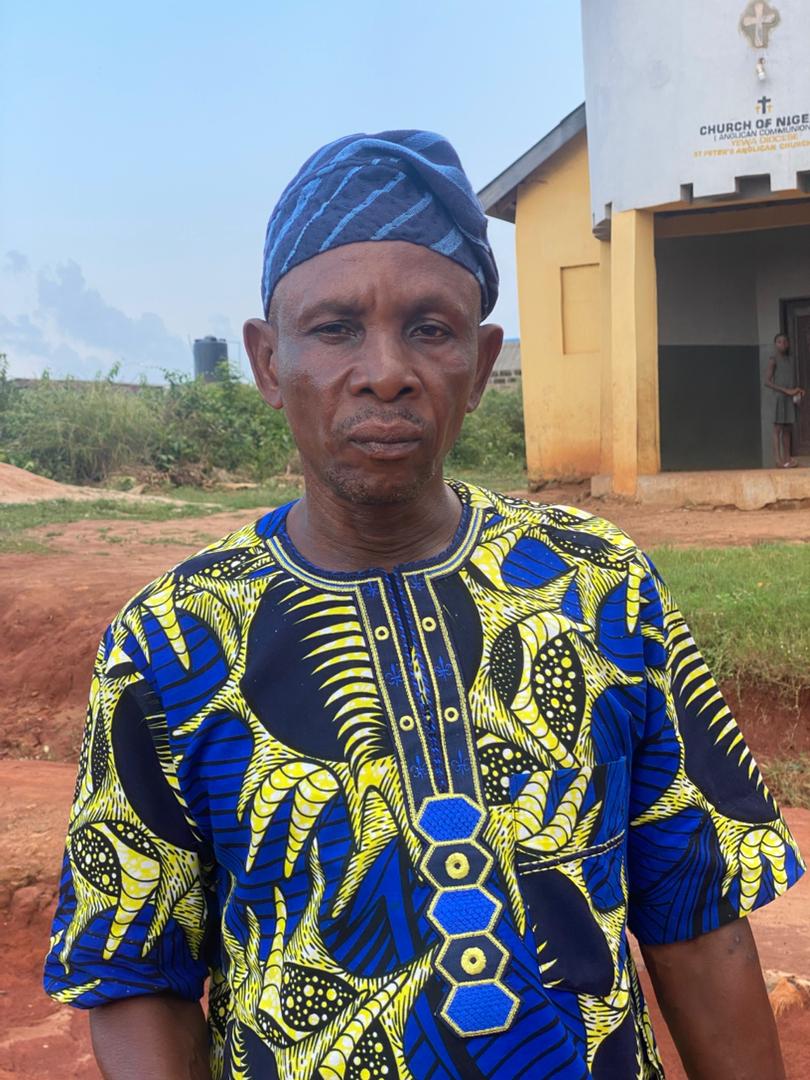
In this exclusive interview, OSENI WASIU AIKU, the Secretary of the Itolu community and grandson of Odunyemi, a notable descendant of the town, speaks to the PUBLISHER, FACTHUBAFRICA about the history of the Itolu community, its governance, development projects, and the role it plays in Ilaro’s kingship process.
He also shares insights on community challenges, development needs, and security concerns.
Can you walk us through the history of this Itolu community?
Itolu is an ancient town that migrated from Oyo. As they came from Oyo, the people who came were many. One of the people that came was Aro, and among our forefathers who came from Oyo was also Odunyemi.
The first place they settled was Imare, which is far from this location. During those times, any important decision was guided by Ifa, which always gave them the right path. Ifa told them that they had not yet reached their final destination. As they sought more guidance, it was Ifa that led them to settle at the present Itolu.
When they came to Itolu together with Aro, they brought Orisha 201, which are still present in Itolu today. Aro later migrated from this place to Ilaro, where he founded the town. This is why Itolu is referred to as Amu Ilaro — meaning that for any significant activity in Ilaro, they must first consult or visit Itolu.
For example, no king can emerge in Ilaro without coming to Itolu because this is where the ancient crown is. Other crowns in Ilaro are merely ceremonial. The confirmed crown is here in Itolu. Anyone who must become a king in Ilaro has to come here, pay homage, and have the ancient crown placed on their head before proceeding to Ilaro.
This applies to other ceremonies too, like those of the Egun, Oro, or Gelede people. All ceremonial activities must first be approved here. After finishing their rituals, they must return to Itolu to give feedback, which is very important.
How many kings have emerged in Ilaro and visited Itolu?
Looking carefully, the kings who have emerged in Ilaro, when the town was still being established, used to serve three-year terms. After completing their term, they would return here. Once they wanted to become permanent Oba, just four families have emerged as kings in Ilaro because two kings cannot rule the same town simultaneously.
Itolu was supposed to be part of the kingship, but because this is where the ancient crown is, the kings serving three-year terms come and go after completing their duties. Examples include Oba Kehinde Olugbenle, Oba Adekambi (deceased), Oba Oduntan, Oba Agunloye 1, 2, and 3, Oba Obadu, and Oba Mosaku. All of them visited Itolu before proceeding to Ilaro.

Can you explain the origin of the name ‘Itolu’ and its significance within the community?
The name Itolu signifies where the community is organized and governed. Many villages fall under Itolu. For instance, Eto Ilu and Olute (originally Itolute) are villages under Itolu. Idogo is another village under Itolu. Nothing can be done in these villages without approval from Itolu.
When civilization developed, these villages began to stand independently, but Itolu remains the center of governance and authority.
How many developments have happened in this community so far?
There have been numerous developments, though one visible indicator is our children who have gone abroad, particularly to Barbados, who returned and contributed to developments like Ile Odua and the Orishas 201 restoration.
Major development in small towns is always difficult. We have not seen significant changes, but efforts are ongoing.
When we came, we started Community Development Associations (CDAs) in Itolu. There are about 20 major CDAs. Government support has led to various projects, such as drainage systems and solar initiatives. Senator Olamilekan Yayi has been particularly helpful in developing major gutters.
We are grateful to the Ogun State Government and Governor Dapo Abiodun for providing transformers, and Honorable Kolawole Lawal for helping with electricity supply. Currently, there are three transformers in the community. While power is not everywhere yet, the new one at Mega is operational.
Can you tell us about the sacred river in the community and the cultural or historical significance it holds?
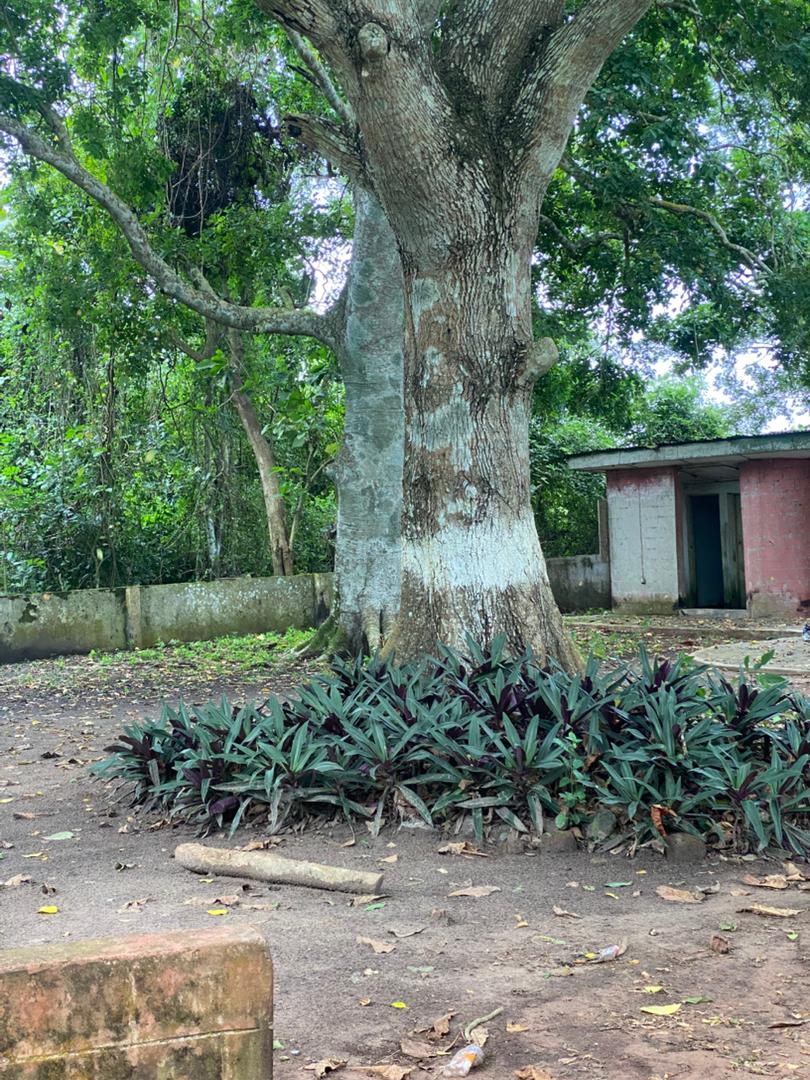
The river is called Erifun. It is formed by the confluence of three rivers: Osun, Yewa, and Erifu. The first river is very cold, the second is moderately cold, and the third is warm.
READ ALSO: 50 students escape after Niger Catholic school abduction
The river is sacred, and fish caught there are never killed — it is believed that if fish from the river are killed and cooked, they will not cook properly.
The river also serves as a place for spiritual blessings. Every king who has emerged in Ilaro has visited the river, and it continues to be a focal point for rituals and significant events in the community.
There is a church behind us. How long has it been in existence?
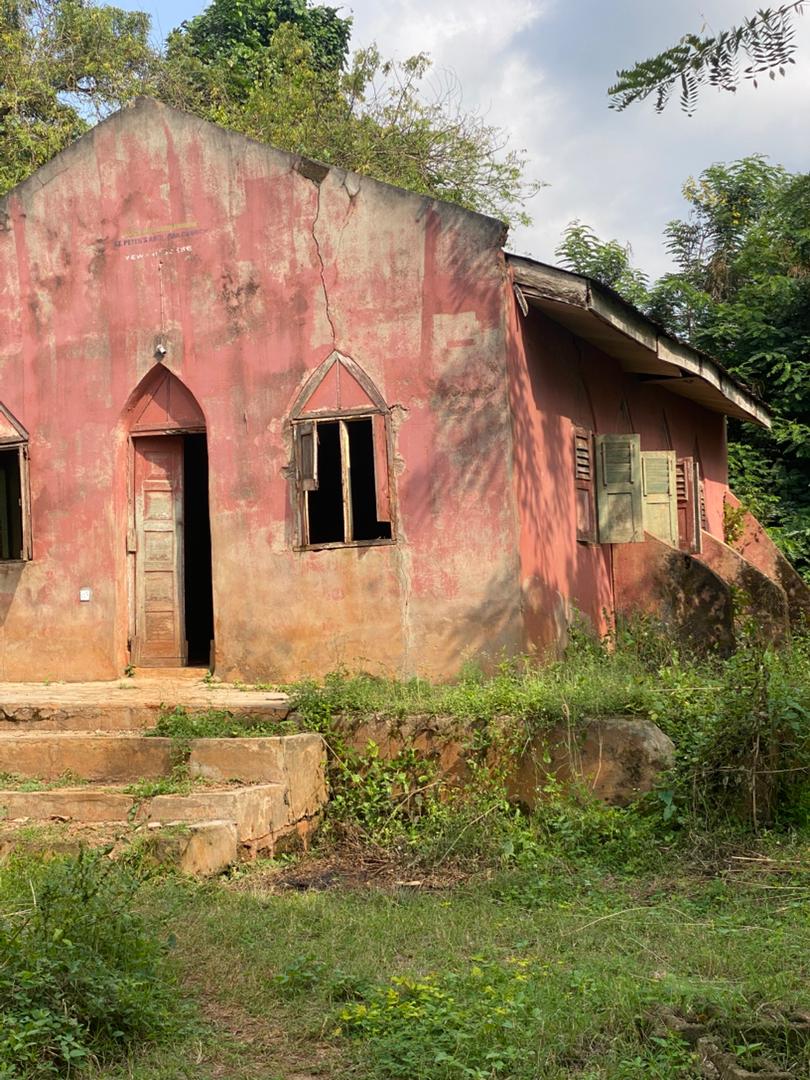
It is an Anglican church brought by our forefathers. Recently, we revamped and remodeled the church at the outskirts of the community about three years ago. For any project or development, people must inform and seek approval from Itolu first.
Concluding, what do you want from the government to help your community people?
The benefits due to this community should be substantial. Itolu is considered the “drinking pot” or “drum” of Ilaro — every significant development in Ilaro must also reach Itolu. We need buildings for primary schools, health centers, and other social amenities. While we have made some progress, much remains unfinished, such as roofing for health centers.
We need government assistance, especially for schools and security purposes. A police post is crucial to ensure safety in the community. Social amenities should be provided so that residents feel they are part of government support.
What is the level of security among the people of the Itolu community, and what measures have you adopted?
Security exists, but challenges remain. During incidents, people often flee. Issues such as land disputes, land grabbing, theft, and other conflicts occur occasionally.
To manage disputes, we created the Baale’s house, where all community cases are addressed. Meetings are held every 15 days. The Bale’s House mediates land conflicts, theft, marital disputes, and smaller tribal issues. People are interrogated, and boundaries are clarified.
Thank God, with these measures, governance in the community runs smoothly.