Algeria is the largest country in Africa by land area and one of the continent’s most influential nations. Located in North Africa, it combines a rich historical legacy, vast natural resources, a strategic Mediterranean coastline, and a strong cultural identity shaped by Arab, Berber, Islamic, and French influences.
Despite its size and economic significance, Algeria often receives less international attention than many of its regional counterparts. Yet it remains one of Africa’s most important political and economic powers.
Country Profile
Official Name: People’s Democratic Republic of Algeria
Capital: Algiers
Independence: July 5, 1962
Former Colonial Power: France
Population: Approximately 47 million
Official Languages: Arabic and Tamazight (Berber)
Widely Spoken Language: French
Currency: Algerian Dinar (DZD)
Government: Semi-Presidential Republic
Region: North Africa
Land Area: Approximately 2.38 million square kilometres
Independence and Historical Background
Algeria gained independence from France on July 5, 1962, following an eight-year war that is widely regarded as one of the most significant anti-colonial struggles of the twentieth century.
The Algerian War of Independence, fought between 1954 and 1962, resulted in immense human and economic losses. The conflict helped reshape global discussions on colonialism and self-determination and remains a defining chapter in Algeria’s national identity.
Today, memories of the independence struggle continue to influence Algeria’s politics, foreign policy, and sense of national pride.
Geography and Climate
Algeria stretches from the Mediterranean Sea in the north to the Sahara Desert in the south.
The country shares borders with Tunisia, Libya, Niger, Mali, Mauritania, Western Sahara, Morocco, and the Mediterranean Sea.
More than 80 per cent of Algeria’s territory lies within the Sahara Desert. As a result, most of the population lives in the northern coastal and highland regions where the climate is more suitable for agriculture and urban development.
Population and Society
Algeria’s population consists primarily of Arabs and Berbers, whose cultures have blended over centuries.
Family remains the foundation of Algerian society, and strong community ties continue to shape social life.
Education is highly valued, and literacy rates are among the highest in Africa.
Religion
Islam is the dominant religion, with the overwhelming majority of citizens identifying as Sunni Muslims.
Religious traditions influence many aspects of daily life, including public holidays, social customs, and business schedules. Ramadan is widely observed across the country and significantly affects commercial and social activities during the month.
Economy
Algeria possesses some of the largest oil and natural gas reserves in Africa.
The energy sector serves as the backbone of the economy and generates a substantial portion of government revenue and export earnings.
Major economic sectors include:
- Oil and gas
- Manufacturing
- Agriculture
- Construction
- Telecommunications
- Mining
The government has increasingly sought to diversify the economy to reduce dependence on hydrocarbon exports.
Cost of Living
Compared with many European countries, Algeria offers a relatively affordable cost of living.
Basic food items, public transportation, and utilities remain accessible for many residents, although inflation and economic reforms have affected household spending in recent years.
Housing costs vary significantly between Algiers and smaller cities.
Telecommunications and Internet
The telecommunications sector is served primarily by:
- Mobilis
- Djezzy
- Ooredoo Algeria
Mobile phone penetration is high, and internet access continues to improve, particularly in urban areas.
Social media platforms such as Facebook, Instagram, YouTube, and TikTok enjoy widespread popularity among younger generations.
Education
Education is free at primary and secondary levels through the public system.
Major universities include:
- University of Algiers
- University of Oran
- Constantine University
French remains an important language in higher education, particularly in scientific and technical fields.
Transportation
Algeria has one of the most developed transport infrastructures in North Africa.
Key transport systems include:
- Extensive road networks
- Rail transport
- Algiers Metro
- International airports
- Mediterranean seaports
The country also possesses one of Africa’s longest highway projects, the East-West Highway.
Culture
Algerian culture reflects centuries of Arab, Berber, Ottoman, Islamic, and French influence.
Traditional music genres include Rai, Chaabi, and Andalusian music.
Cuisine plays a central role in social life, with couscous widely regarded as the national dish. Other popular foods include chorba, tajine, and various bread-based meals.
Sports
Football is the country’s most popular sport.
The Algerian national football team is among Africa’s most successful teams and enjoys passionate support across the country.
Many Algerian footballers have played for major clubs in Europe and international competitions.
Interesting Facts
- Algeria is Africa’s largest country by land area.
- More than four-fifths of the country is covered by the Sahara Desert.
- The country gained independence after one of the most significant anti-colonial wars in modern history.
- Algeria is among the world’s leading natural gas exporters.
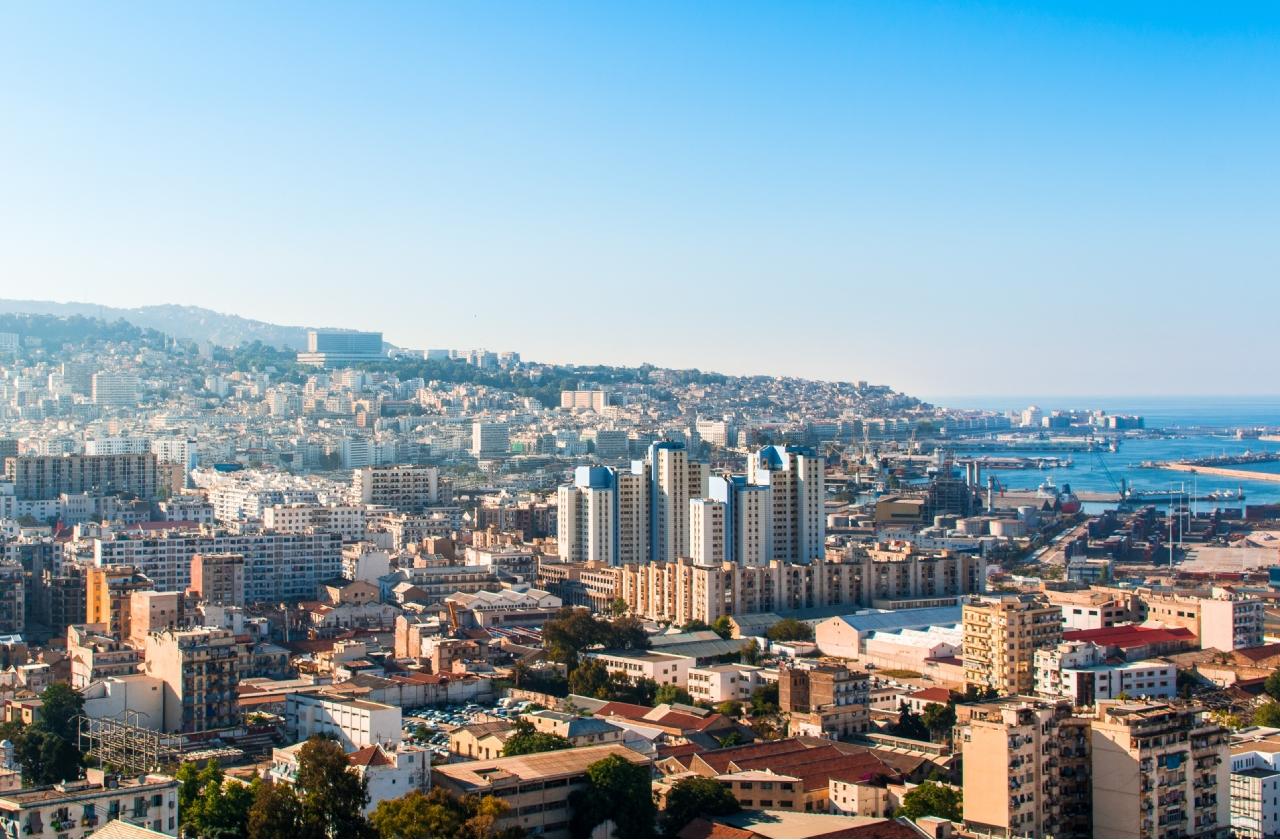
- The capital city, Algiers, is often called “Algiers the White” because of its white buildings overlooking the Mediterranean Sea.
What Visitors Should Know
Visitors to Algeria will encounter a country defined by strong national pride, rich history, and deep cultural traditions. While tourism remains less developed than in some neighbouring countries, Algeria offers historic cities, Roman ruins, vast desert landscapes, and an authentic cultural experience that remains largely untouched by mass tourism.
For those seeking to understand North Africa beyond the usual destinations, Algeria provides one of the continent’s most compelling stories.