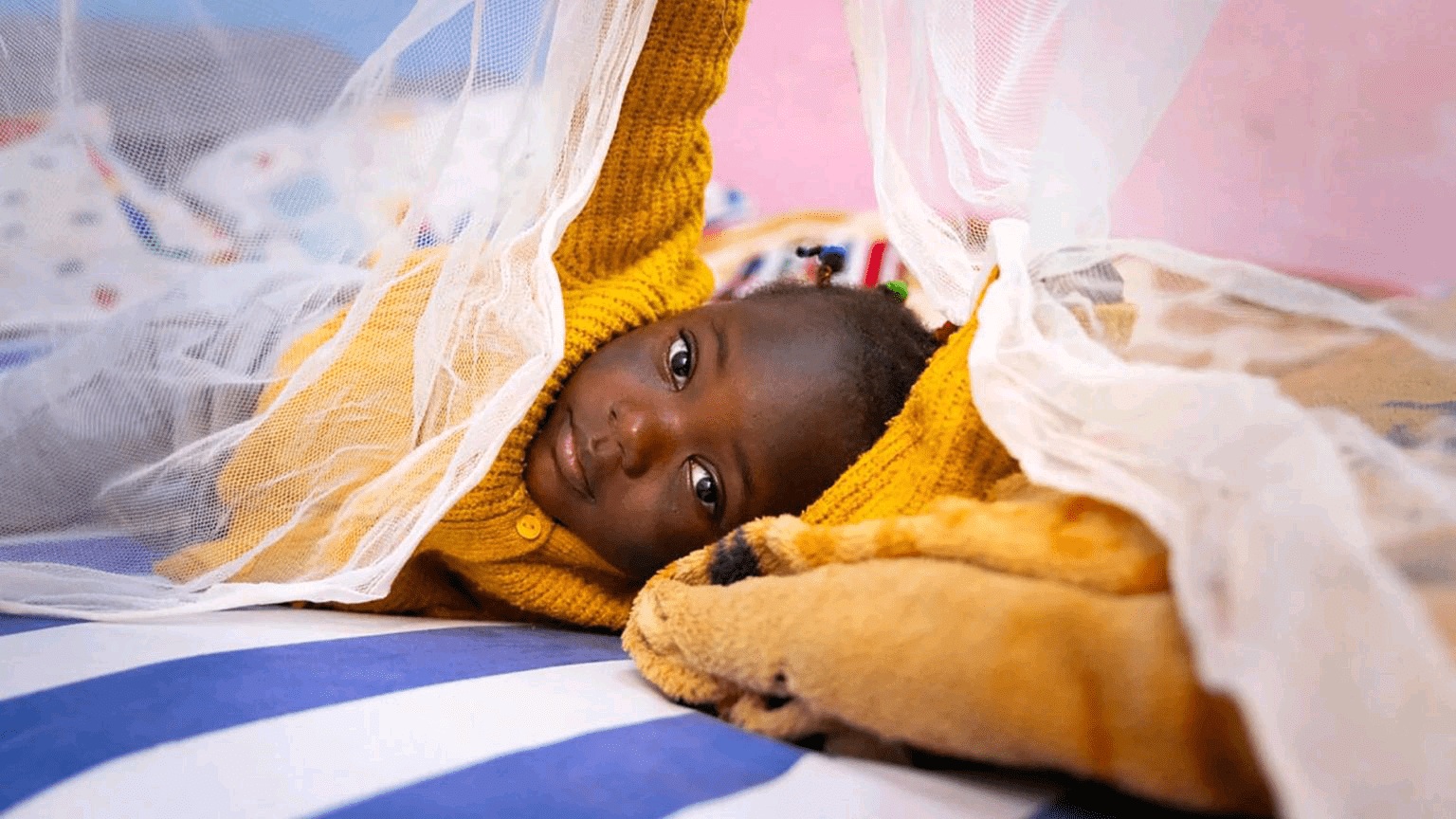
Nigeria continues to face a significant malaria burden as new data shows that 55 per cent of children in the country still sleep without insecticide-treated nets (ITNs), leaving them vulnerable to mosquito bites and malaria infection.
The figure was revealed in the Nigeria Malaria Indicator Survey (NMIS) 2025, which also showed that only 44.9 per cent of children currently sleep under ITNs, despite widespread awareness campaigns.
Health authorities warn that about 97 per cent of Nigeria’s population remains at risk of malaria, with children under five, pregnant women, and unborn babies identified as the most vulnerable groups.
Speaking at a church service and medical outreach held at The Father’s Church, Jahi, Abuja, ahead of the 2026 World Malaria Day, the National Coordinator of the National Malaria Elimination Programme (NMEP), Dr Nnenna Ogbulafor, stressed the importance of preventive measures.
She cautioned Nigerians against self-medication, noting that not all fever cases are malaria and urged prompt testing before treatment.
According to her, pregnant women should register early for antenatal care and take preventive medication known as SP at least three times before delivery to protect both mother and child from malaria infection.
Dr Ogbulafor also advised families to ensure proper and consistent use of ITNs, noting that it remains one of the most effective tools for reducing malaria-related deaths, especially among children.
Also speaking, the Advocacy, Communication and Social Mobilisation Officer of NMEP, Mrs Hope Obokoh, warned that improper treatment of malaria could lead to severe complications, including drug resistance, coma, and death.
She emphasised the use of Artemisinin-based Combination Therapy (ACTs), describing them as safe, effective, and widely available in both public and private health facilities.
“ACT kills malaria parasites faster than any other anti-malarial medicine. It is important to complete the full dosage as prescribed by health professionals,” she said.
Health experts maintain that malaria remains one of Nigeria’s leading public health challenges, but insist that with proper prevention, early diagnosis, and treatment, the disease can be significantly reduced.