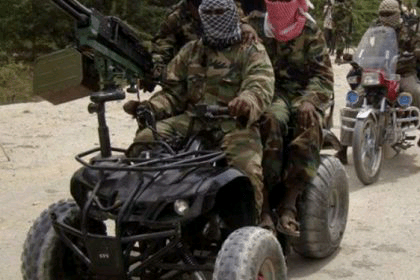
The United States government has publicly named Nigerians accused of financing and supporting Boko Haram and the Islamic State of Iraq and the Levant (ISIL) in Nigeria, taking unprecedented measures to freeze their assets, restrict visas, and coordinate international efforts for their arrest.
A 3,000-page document from the US Treasury’s Office of Foreign Assets Control (OFAC), updated on February 10, 2026, lists 10 Hausas, 3 Igbos, and 4 Yorubas implicated in terrorism and cybercrime. Their assets, bank accounts, stocks, and cryptocurrencies have been blocked under Executive Order 13224, and they are banned from receiving American visas.
In addition, all individuals have been placed on INTERPOL Red Notices, while the FBI is sharing intelligence globally to ensure their apprehension.
The US Central Intelligence Agency (CIA) has also deployed senior anti-terror personnel and 100 troops to Nigeria to support undercover operations against terrorist networks.
Prominent individuals named include:
Khalid al‑Barnawi – Boko Haram financier
Abubakar Shekau – Boko Haram leader
Abu Musab al‑Barnawi – Boko Haram affiliate
Abu Bakr al‑Mainuki – ISIL-linked leader
Other individuals and organizations linked to cybercrime or terrorism are also sanctioned, including Boko Haram, Ansaru, ISIS-West Africa, and entities such as Jammal Trust Bank S.A.L. and Amigo Supermarket Limited.
The US actions are part of ongoing efforts to counter terrorism financing, cybercrime, and security threats in Nigeria.
Suspects’ movements, mobile communications, and lifestyle are under global surveillance, with authorities emphasizing swift action against networks threatening regional and international security.
The sanctions follow recommendations from the US Congress on visa bans and asset freezes, including measures related to alleged violations of religious freedom in Nigeria.