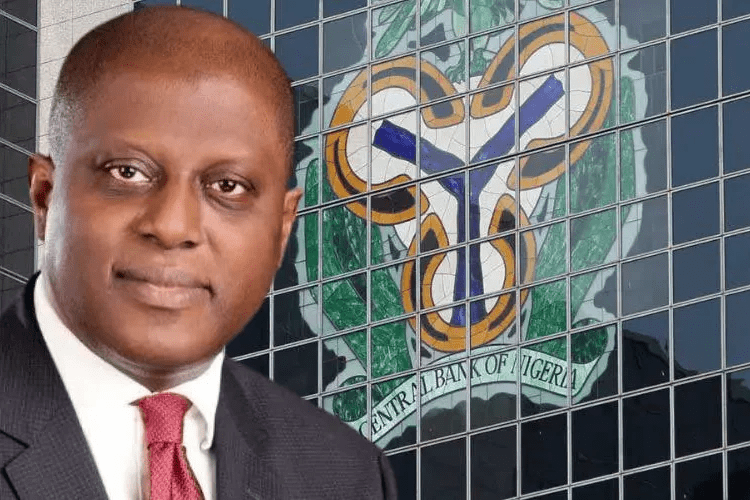
The Corporate Affairs Commission (CAC) has accused some banks and financial institutions in Nigeria of undermining anti-corruption efforts by allowing inactive and non-compliant companies to continue operating and carrying out financial transactions.
The allegation was made by the Registrar-General of the CAC, Hussaini Magaji (SAN), on Tuesday in Abuja during an Anti-Corruption Day presentation and panel discussion to mark the Commission’s 35th anniversary.
Magaji disclosed that the Commission has forwarded 248 suspected fake company registrations to the Economic and Financial Crimes Commission (EFCC) for investigation and possible prosecution. He added that three staff members of the CAC had also been handed over to the Independent Corrupt Practices and Other Related Offences Commission (ICPC) over alleged professional misconduct.
Addressing representatives of anti-corruption and law enforcement agencies, Magaji warned that Nigeria’s corporate regulatory system would remain vulnerable if compliance enforcement is not uniformly applied across institutions.
According to him, any company that fails to fully disclose its Persons with Significant Control (PSC) is classified as inactive and considered unfit for legitimate business transactions. However, he expressed concern that despite being flagged by the CAC, some inactive companies are still being allowed by banks to open accounts, operate, and transact freely.
Magaji described the practice as a major weakness in Nigeria’s compliance framework and called for stronger collaboration among regulatory bodies to curb financial crimes, money laundering, and illicit financial flows.
The CAC Registrar-General also revealed that the 248 fictitious companies were unlawfully inserted into the Commission’s database and lacked verifiable corporate identities, failed to meet tax obligations, and did not contribute to government revenue. He added that 15 additional suspicious entities have been submitted for further investigation.
Magaji noted that no legal challenge has been filed against the CAC following the removal and reporting of the illegal registrations. He renewed calls for the establishment of a unified national beneficial ownership register, warning that Nigeria’s fragmented system continues to create loopholes that enable corruption and financial crimes.