Out-of-School children
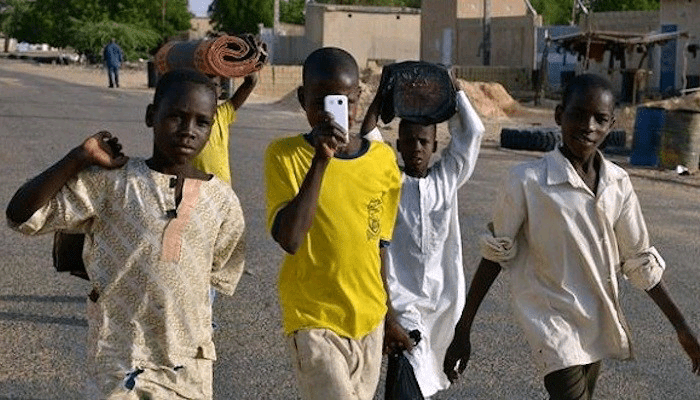
The Bauchi State Government has announced a significant reduction in the number of out-of-school children, cutting the figure from over 1.7 million to 216,000 in what officials described as a landmark achievement in the state’s education reform efforts.
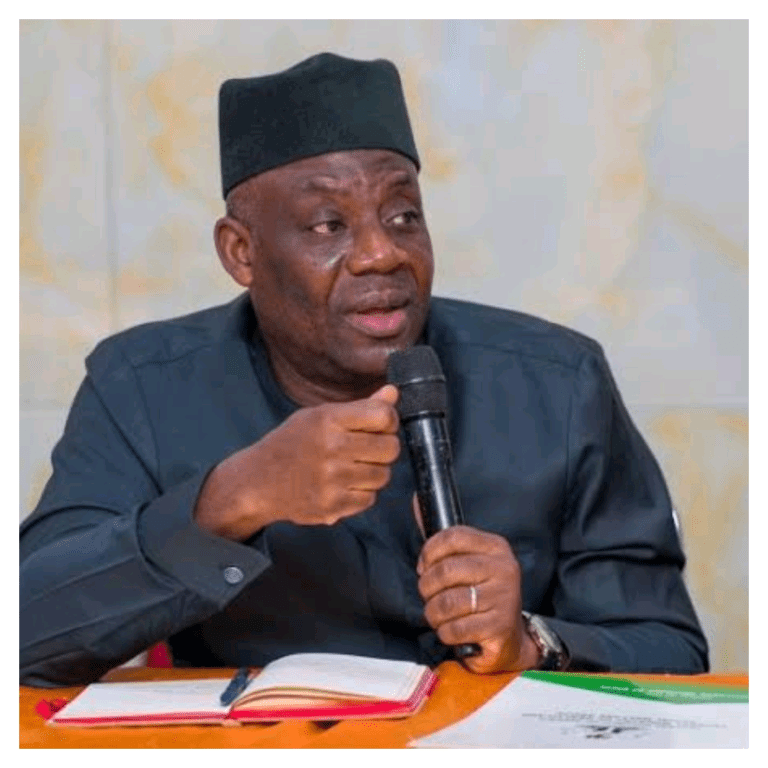
Chairman of the Bauchi State Universal Basic Education Board (SUBEB), Alhaji Adamu Muhammad Duguri, disclosed this while briefing journalists on progress recorded in the education sector, particularly under the 2025/2026 Statewide Enrolment Drive. He was represented at the briefing by the Board’s Permanent Secretary, Alhaji Abdulhameed Jibrin.
According to Duguri, the reduction represents more than an 85 per cent drop from the inherited baseline, restoring access to education for over 1.2 million children across the state. “At its peak, the number exceeded 1.7 million due to systemic neglect, weak enforcement of compulsory education laws, poverty, and socio-cultural barriers. Today, through deliberate reforms and strong community ownership, the number has dropped to 216,000 as of December 18, 2025,” he said.
He explained that the enrolment drive surpassed expectations, enrolling 284,000 learners against an initial target of 220,000 — achieving a 129 per cent performance rate. The reforms, he noted, were backed by data-driven strategies, attendance monitoring systems, early warning mechanisms, and coordinated stakeholder engagement.
Duguri highlighted the active involvement of traditional institutions — including Emirate Councils, District Heads, Ward Heads, Village Heads, and Hamlet Heads — in enforcing enrolment and monitoring attendance. He cited Toro Local Government Area as a success story, revealing that over 35,000 children out of an estimated 50,000 previously out of school had been integrated into formal education.
The chairman also emphasised targeted interventions to improve girls’ education through initiatives such as the Adolescent Girls Initiative for Learning and Empowerment (AGILE) and Conditional Cash Transfer (CCT) programmes. He said these measures significantly boosted enrolment, retention, and transition rates, particularly at Upper Basic and Senior Secondary levels.
While acknowledging that the enrolment surge has placed pressure on infrastructure and teacher-to-pupil ratios, Duguri said the government is implementing additional reforms, including the establishment of a Special Teacher Corps, integration of Tsangaya and Qur’anic schools into the formal system, and the rollout of the state’s ICT Policy on Education.
He described the achievement as not just statistical progress but a “moral and social triumph,” adding that sustained collaboration between government, communities, and stakeholders would ensure long-term transformation of the state’s education system.