Lassa Fever
The Nigeria Centre for Disease Control (NCDC) has confirmed that Lassa fever has claimed 31 lives across nine states within five weeks, with 165 confirmed cases recorded so far in 2026.
In its latest situation report, the agency disclosed that 754 suspected cases were reported nationwide, out of which 165 were laboratory-confirmed across 33 local government areas.
According to the NCDC, Bauchi, Ondo and Taraba states account for 79 per cent of the total confirmed infections, with Bauchi leading at 47 per cent, followed by Ondo at 18 per cent and Taraba at 14 per cent. Edo and Plateau states recorded eight per cent and five per cent respectively, while the remaining four affected states contributed eight per cent of cases.
The agency also revealed that nine health workers have been infected during the outbreak. Currently, 135 patients are receiving treatment at designated centres nationwide, while 110 suspected cases are under surveillance and contact tracing.
Young adults aged between 21 and 30 years are the most affected demographic, with a median age of 28 years among confirmed cases. The ages of patients range from one to 74 years, with a male-to-female ratio of 1:0.8.
Despite the fatalities, the NCDC noted a decline in both suspected and confirmed cases compared to the same period in 2025.
To strengthen containment efforts, the agency said it has deployed a high-level field team to Bauchi State and activated the Incident Management System at the National Lassa Fever Emergency Operations Centre.
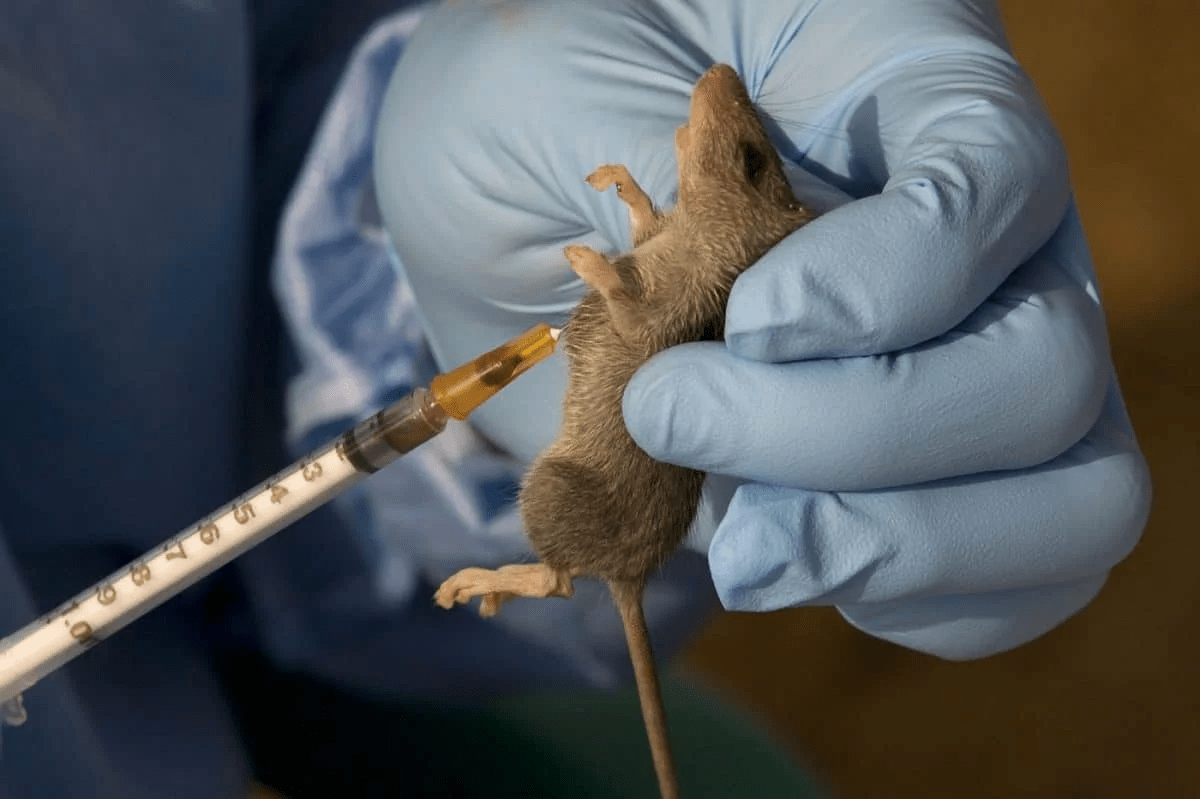
Lassa fever is an acute viral haemorrhagic disease endemic in Nigeria and other West African countries. It is primarily transmitted through contact with food or household items contaminated by urine or faeces of infected Mastomys rats.
The NCDC urged Nigerians to maintain proper hygiene, store food in rodent-proof containers and seek immediate medical attention upon noticing symptoms such as fever, weakness, headache, sore throat, chest pain, vomiting and, in severe cases, bleeding.
The agency also called on state governments and healthcare workers to intensify surveillance and infection prevention measures to curb further spread of the disease.